


-
Translated by: Vita Abrashi-Kajtazi

- 31 October 2026 09:30
- Share to:
Halloween is a holiday celebrated every year on October 31. This year it is today. Its origins are linked to the ancient Celtic festival of Samhain, a ceremony where people lit large bonfires and wore costumes to scare away the spirits of the dead.
In the 8th century, Pope Gregory III declared November 1st as the day to honor all saints. Over time, the evening before this day became known as “All Hallows' Eve,” which was later shortened to “Halloween,” he wrote. Chanel history.
The Origin of Halloween
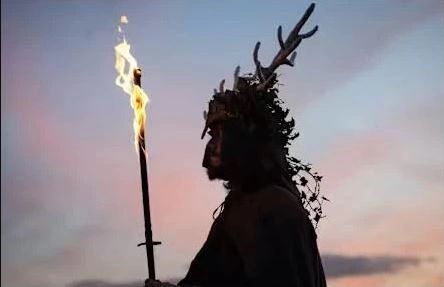
The Celts, who lived in Ireland, Britain, and France 2000 years ago, considered November 1st to be the beginning of the new year. The night before, October 31st, was seen as a time when the worlds of the living and the dead merged. They believed that souls returned to earth, so they lit huge bonfires and sacrificed animals to their gods.
Druidët (priftërinjtë keltë) parashikonin të ardhmen, ndërsa njerëzit vishnin maska e lëkura kafshësh për t’i trembur shpirtrat. Pas festës, ata ndiznin zjarrin e shtëpisë me flakën e shenjtë për t’u mbrojtur gjatë dimrit.
Roman and Christian influence
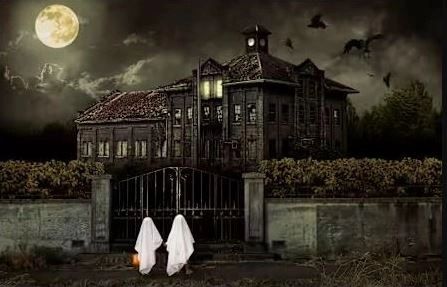
Pas pushtimit romak, dy festa romake u bashkuan me Samhain, Feralia, që nderonte të vdekurit, si dhe Festa e Pomonas, perëndeshës së pemëve dhe frutave, simboli i së cilës ishte molla, duke shpjeguar lojën tradicionale të Halloweenit, “kapja e mollës” (bobbing for apples).
In 609, Pope Boniface IV converted the Pantheon in Rome into a church dedicated to all martyrs, and Pope Gregory III expanded the celebration to include all saints. Later, November 2 became All Souls' Day, honoring the dead. Thus, the Church transformed the pagan Samhain into a Christian holiday, but the traditions remained similar: bonfires, parades, and costumes as angels, saints, and devils.
Si u përhap në Amerikë?
Halloween was not originally celebrated in the American colonies, but was adopted in Maryland and the South. With the arrival of European immigrants, especially Irish people fleeing famine, the holiday took on the form we know today.
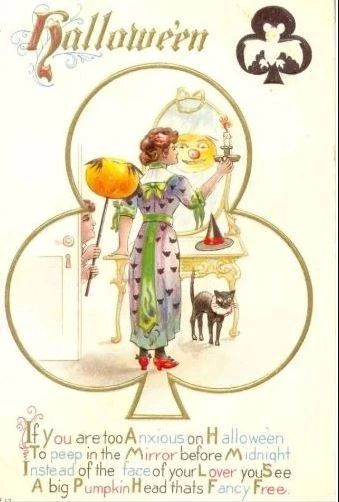
In the 19th century, it became a community holiday, with parties, games, and costumes for children and adults. Newspapers of the time urged people to remove the fear and magic from the day, turning it into a family holiday.
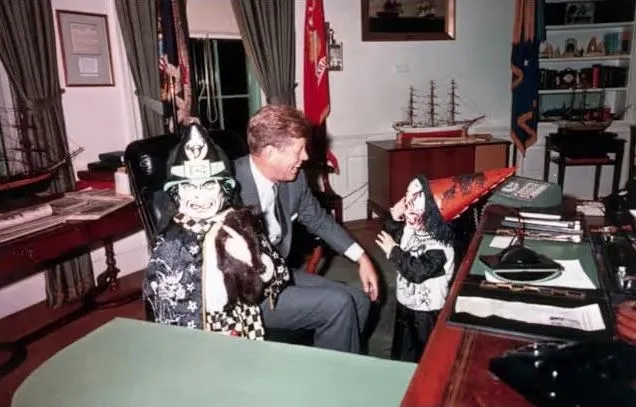
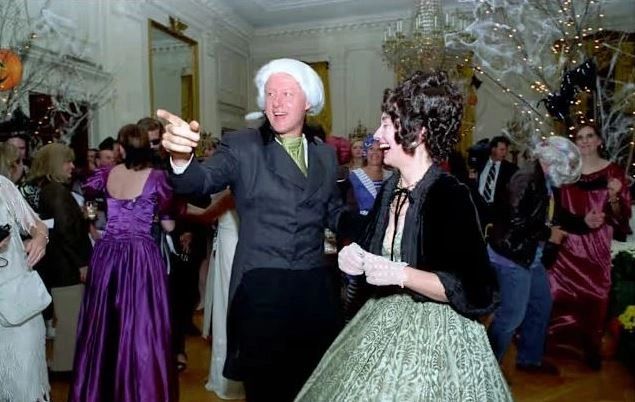
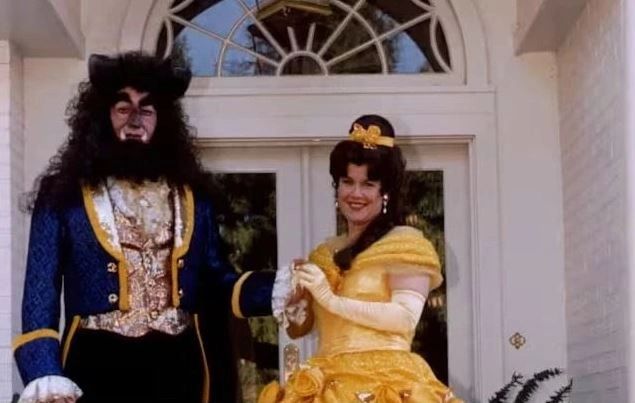
Trick or Treat and illuminated pumpkins
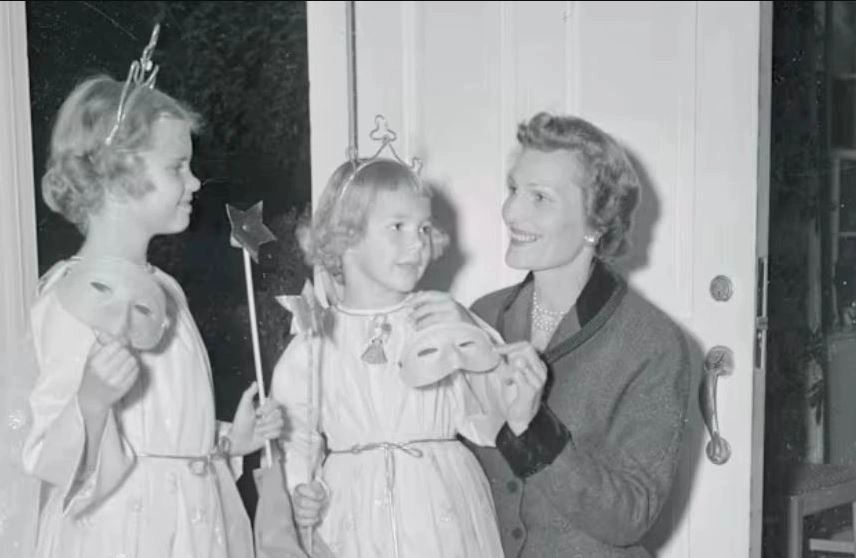
The tradition of "trick-or-treating" (soul cake) originated from the English custom of All Souls' Day, when the poor would ask for “soul cakes” in exchange for prayers for the dead. Over time, this custom was adopted by children who would go door to door asking for sweets.
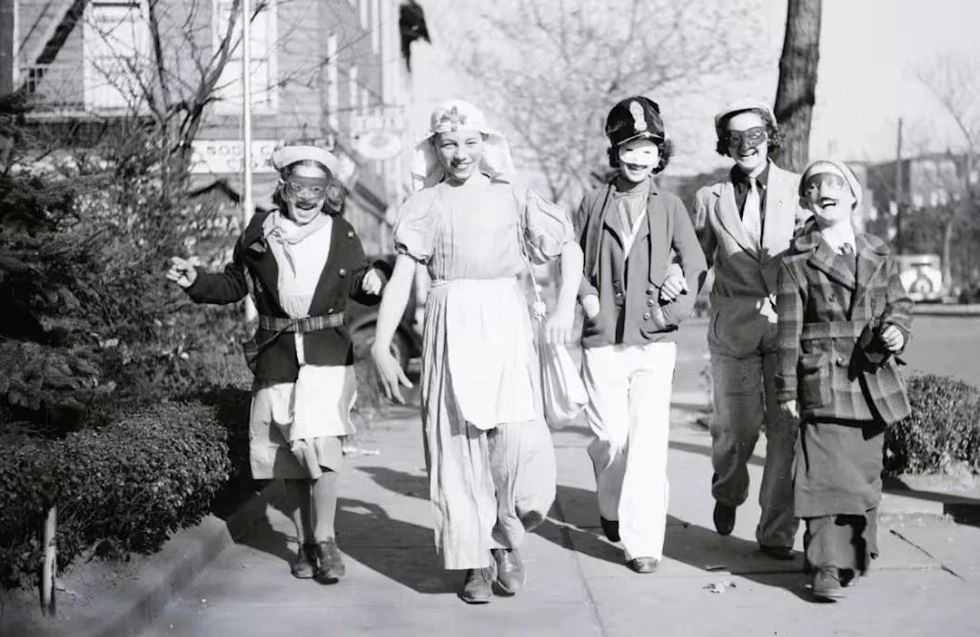
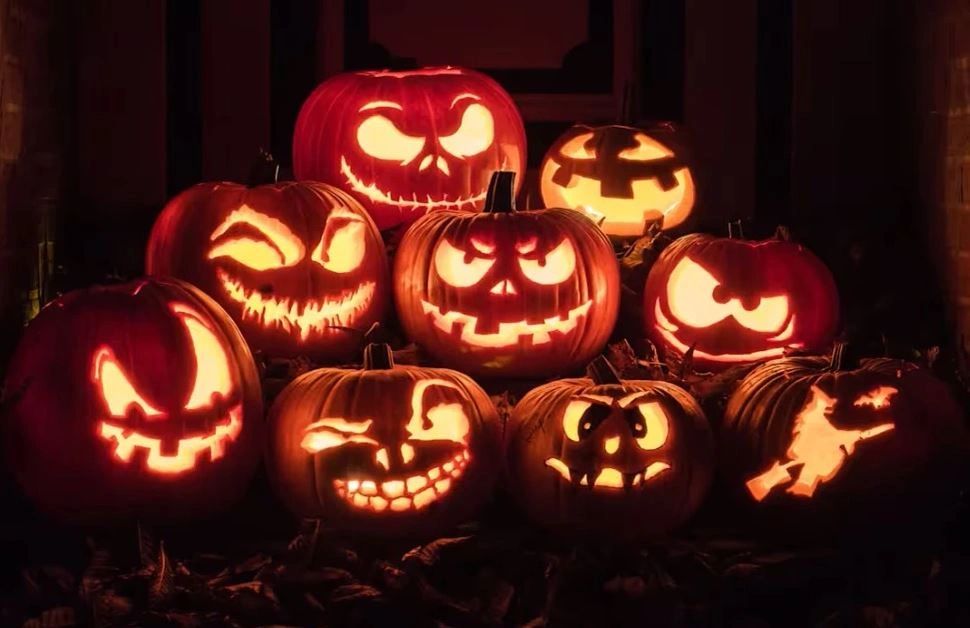
Carved pumpkin, or “Jack-o'-lantern,” comes from an Irish tradition where people carved vegetables to scare away evil spirits. When immigrants came to America, they used pumpkins, which were larger and easier to carve.
Symbols and superstitions
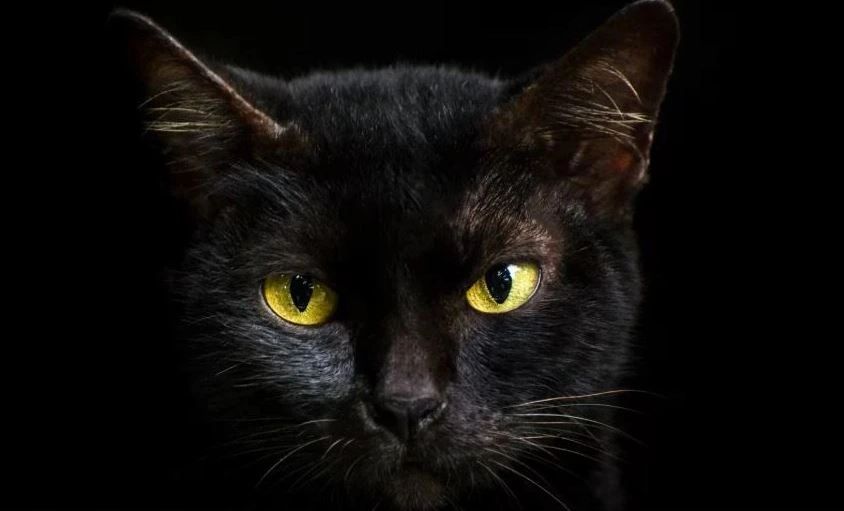
Halloween has always been a celebration of magic and mystery. In the past, people believed that the spirits of loved ones would return for a visit, so they would leave food on their doorsteps to welcome them. Nowadays, however, black cats and broken mirrors are associated with bad luck, an influence from medieval beliefs that linked witches to black cats.
From love to scary movies
In 18th-century Ireland, young women believed they could "predict" their future husbands through Halloween customs. One popular tradition held that whoever found a ring in their mashed potatoes that night would be married within the year.
Nowadays, Halloween has become the second most profitable holiday in the US after Christmas, with more than $11 billion spent each year.
In cinema, it has also spawned an entire genre: from the 1978 classic film, "Halloween", by director John Carpenter, who inspired the creation of the films "Scream" and “Nightmare on Elm Street", to family films like "Hocus Pocus", "The Nightmare Before Christmas" and “Beetlejuice”.