


-
Translated: TIME

- 30 January 2026 15:00
- Share to:
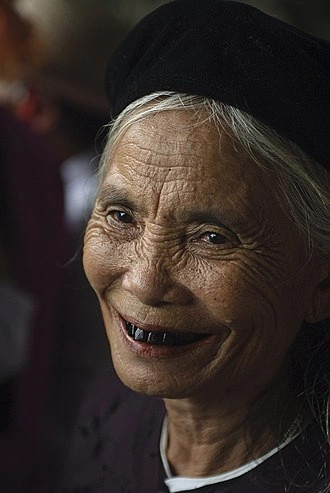
In what is now Vietnam, prehistoric people painted their teeth black. And a ritual like this is more than two thousand years old. Black teeth were not simply an aesthetic choice. Historical sources, as well as ethnographic parallels, show that this practice was associated with rites of passage, entering adulthood, marriage, and social maturity. People with blackened teeth were recognized as full members of the community, while the practice itself served as a form of visual communication of identity and belonging.
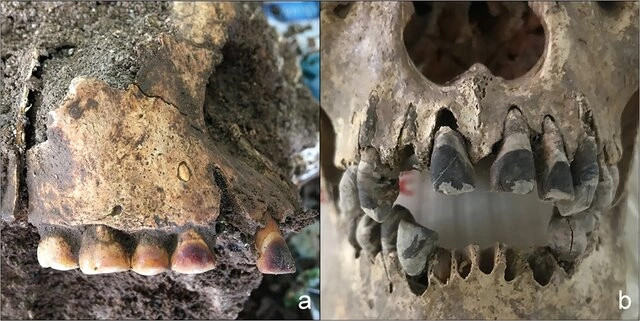
(Archaeological and Anthropological Sciences) – Teeth painting, often perceived today as an unusual or even shocking practice, in ancient times represented a powerful symbol of beauty, identity and belonging to the community. A new interdisciplinary study provides the first strong archaeological evidence that this ritual was practiced as early as two thousand years ago during the Iron Age, in the territory of northern Vietnam.
The study is based on the analysis of human teeth from the Dong Xa site, dated to between 157 and 830 BC. It is an area associated with the famous Dong Son culture, known for its advanced metallurgy and bronze drums that played an important role in the ritual and social life of Southeast Asia. The paper is published in the journal Archaeological and Anthropological Sciences.
The coloring process
The researchers used chemical analysis to determine whether the color changes in the tooth enamel were the result of intentional modification. The results showed the presence of iron salts in combination with tannin-rich substances, most likely of plant origin. This combination creates a durable black pigment, characteristic of historically documented black tooth-dying techniques in Vietnam.
It is important to note that the study methodology was non-destructive, thus setting a standard for future archaeological research on body modifications without damaging the osteological material.
More than aesthetics
also The Tooth Fairy is visiting us!
Blackening teeth was not simply an aesthetic choice. Historical sources, as well as ethnographic parallels, show that this practice was associated with rites of passage, entering adulthood, marriage, and social maturity. People with blackened teeth were recognized as full members of the community, while the practice itself served as a form of visual communication of identity and belonging.
Interestingly, Chinese historical sources from around the same period mention the “kingdom of the black-toothed people,” located precisely in the territory of present-day Vietnam. Thus, the archaeological findings from the Dong Xa site fit into a broader historical framework and confirm the reliability of written sources.
Extracting and chewing palm kernels
The study also looks at the relationship between tooth blackening and palm nut chewing, another widespread practice in Southeast Asia. Traces of tannins in teeth from later sites could also have come from the areca nut, also known as the yellow palm (Chrysalidocarpus lutescens), but the authors emphasize that in this case it is a different, more technically complex process. It is possible that these two practices developed in parallel, or that the nut occasionally complemented the process of staining teeth black.
The wider spread of this practice is likely related to the greater accessibility of iron objects during the Iron Age, which enabled more efficient production of pigments.
also Oil pulling: Natural alternative or a waste of time?
Blackening teeth in what is now Vietnam represents a prominent example of how body modifications were used to express social values, ethnic identity, and belonging. Although this practice had potential negative consequences for oral health, its social significance seems to have clearly outweighed the health risks.


