


-
By:
Associated Press

-
Translated by: Edona Binaku

- December 4, 2024 16:00
- Share to:
The exhibition entitled "The Age of Futurism - Il Tempo del Futurismo", at the National Gallery of Modern and Contemporary Art in Rome, revisits futurism. One of the defining characteristics of this movement was the emphasis on the concept of "dynamism", the representation of movement and speed through art.
The artistic and social movement known as Futurism flourished in the early 20th century in painting, sculpture and literature, with artists such as Giacomo Balla, Umberto Boccioni and Filippo Tommaso Marinetti.
Futurism was born in 1909, the year Italian poet and editor Filippo Tomaso Marinetti published his famous Manifesto on Futurism, which exalted technology and machines, conflict and violence, and called for profound changes in society, including the destruction of institutions. old cultural sites such as museums and libraries.
Futurism included art, literature, theater and music. Although it was one of the most extensive artistic movements of the 20th century, it was later tarnished by its association with fascism.
Now a new exhibition entitled "The Age of Futurism - Il Tempo del Futurismo", at the National Gallery of Modern and Contemporary Art in Rome, is revisiting this movement.
One of the defining characteristics of futurism was the emphasis on the concept of "dynamism", the representation of movement and speed through art.
also The futurism of the everyday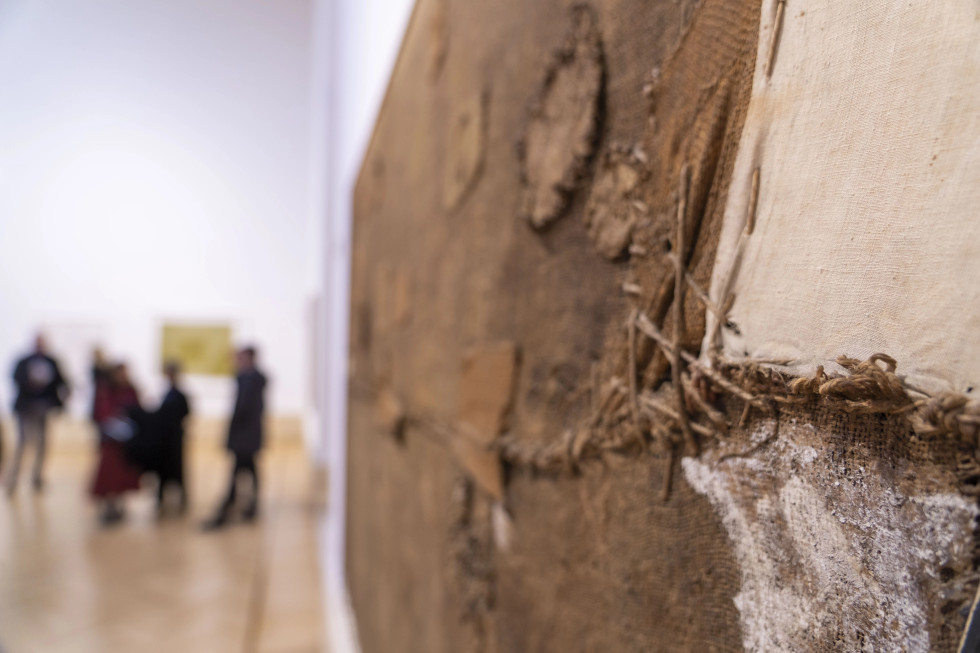
The Futurists adopted innovative techniques such as blurring, fragmentation and superimposition to capture the essence of movement and modernity in their artwork, which often depicted urban scenes, industrial landscapes and moving figures.
Exhibition curator Gabriele Simongini says Marinetti foresaw many technological developments that we take for granted today.
"Without a doubt, Filippo Tommaso Marinetti can be considered one of the most important figures of the 20th century. What is even more surprising is the fact that the more time passes, the more clear Marinetti is in his predictions. He predicted the mobile phone, the computer, even air conditioners and, above all, Marinetti understood something fundamental that is today a key point in our way of life: that is the relationship between the human being and the machine. That is why there is an artificial intelligence installation in the exhibition. Marinetti realized that the future would have a fundamental problem: 'What would man become in relation to the machine?'"
The exhibition shows the various phases and interests that the Futurist movement dealt with during its decades of activity, including the relationship between art and science and technology.
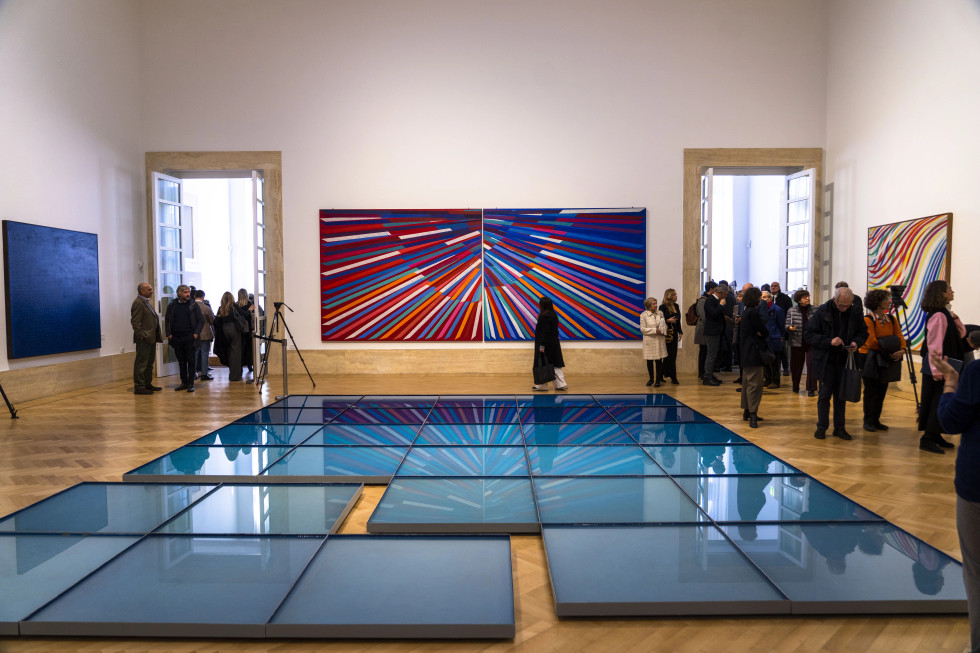
Simongini says that the challenge of making the exhibition was to make futurism relevant for today.
"This exhibition represents a new chapter in the interpretation of futurism. After all the great exhibitions of the past, it was difficult to find a different approach. This is the first exhibition that really connects futurism with our times."
The Futurists were rebels and provocateurs, who challenged the social and cultural traditions of their time and sought to shake the foundations of the bourgeois establishment. The visual revolution carried out by artists such as Giacomo Balla and Umberto Boccioni focused on celebrating strength, movement and dynamism.
About 350 works are included in the new exhibition that opened on December 3, including paintings, sculptures, projects, drawings, furniture, films, motorcycles, automobiles, scientific instruments as well as about a hundred books and posters.
 "Futurama" with the man who hovers in the face of the mystery of the future
"The Age of Futurism" remains open at the National Gallery of Modern and Contemporary Art in Rome until February 28 next year.


