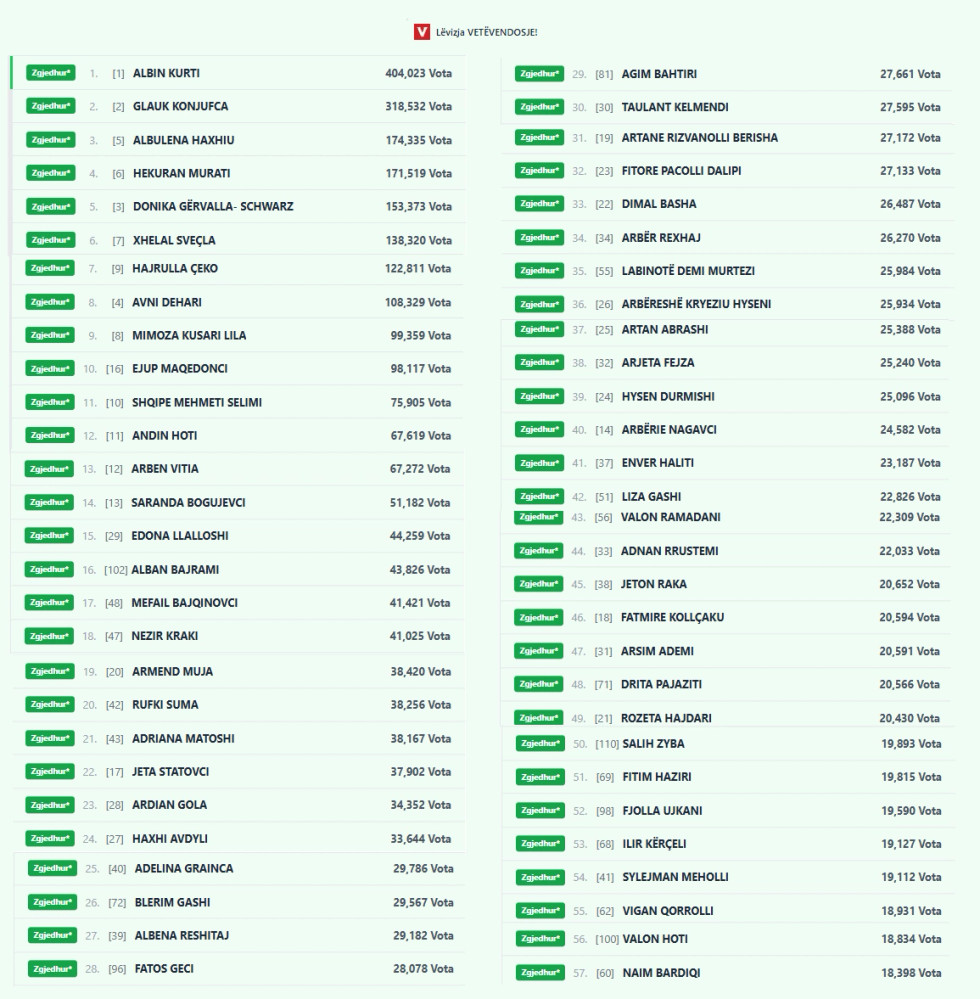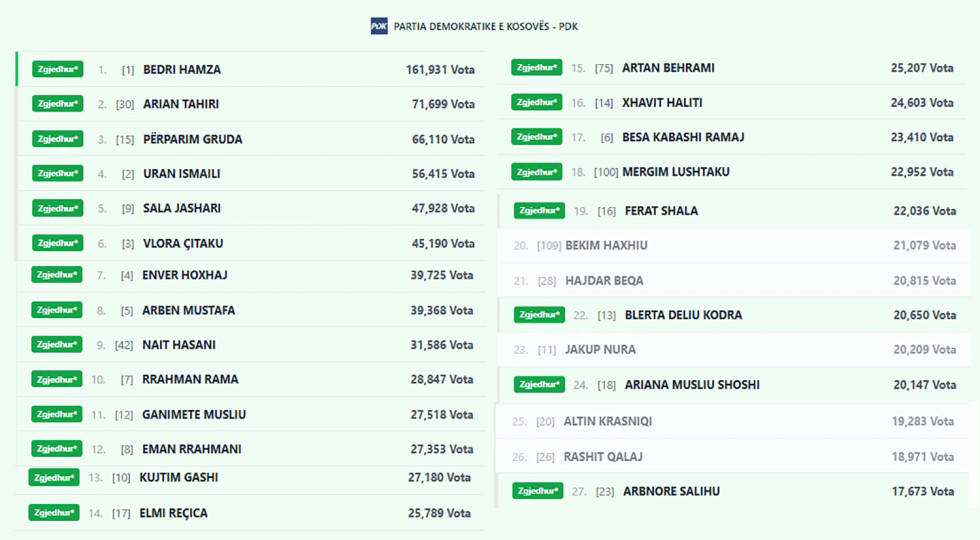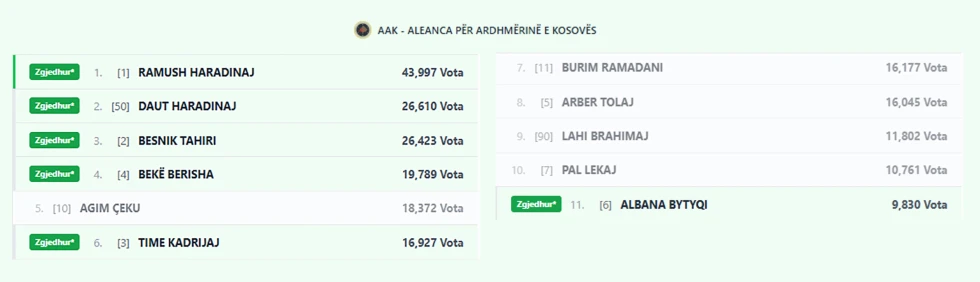


The gender quota has left 5 men without seats in the Assembly, of which 2 candidates from the Democratic Party of Kosovo list, one from the Alliance for the Future of Kosovo list, one from the Serbian List and one from the KDTP.
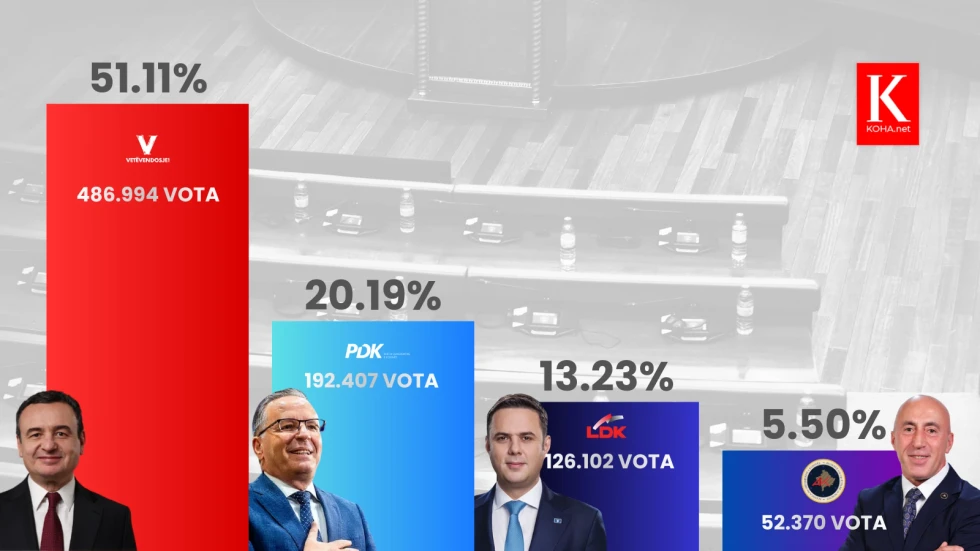
The Democratic Party of Kosovo has been left out of the Assembly due to the gender quota. The deputies Bekim Haxhiu and Hajdar Beqa have been left out of the Assembly. Ariana Musliu-Shoshi and Arbenore Salihu will replace them in the Assembly.

Even in the AAK, Albana Bytyqi has entered the Assembly with a quota, even though Agim Çeku, Burim Ramadani, Arbër Tolaj, Lahi Brahimaj and Pal Lekaj have more votes than her.
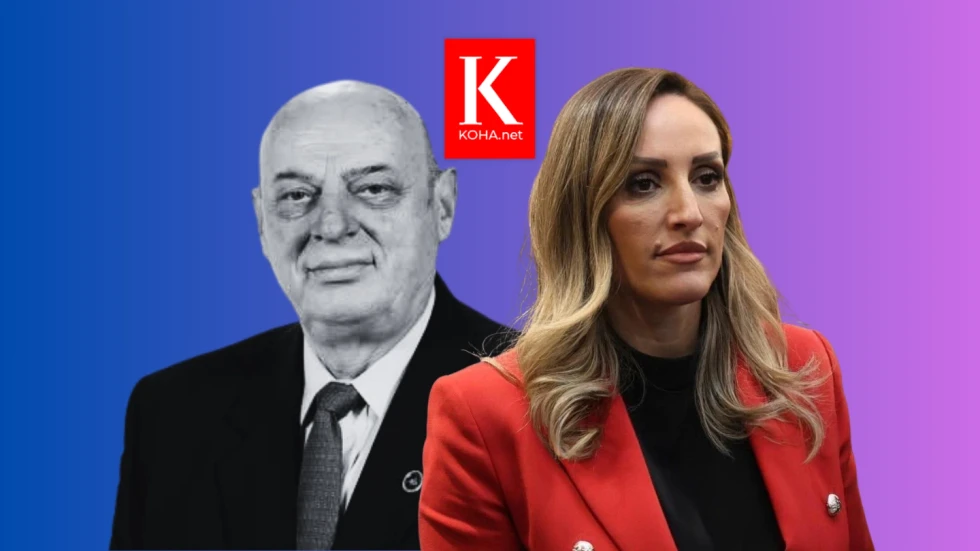
Even from the Serbian List, Verica Čeranić has entered the Assembly even though she has fewer votes than Branislav Nikolić.
In the Turkish KDTP party, which has secured two seats in the Assembly, Fatma Taçi was elected as a deputy even though she has fewer votes than Ergul Mazrek.
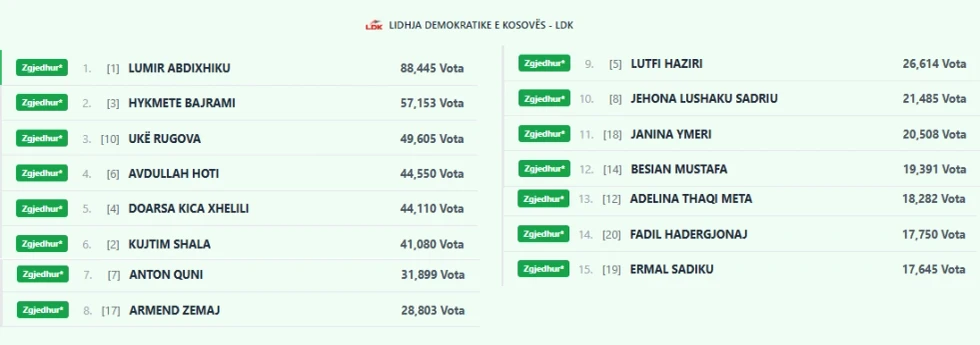
In the Vetëvendosje Movement and the Democratic League of Kosovo, no female MP has entered the Assembly with a gender quota.
The 30% gender quota for women’s representation in the Kosovo Parliament was first established by UNMIK in 2000 through a regulation requiring that at least 30% of candidates on electoral lists be women. This measure was applied in post-war elections and was one of the initial mechanisms to increase women’s participation in politics at the central and local levels.
also 30 MPs from the previous legislature are expected to remain outside the Assembly
Further, the Law on General Elections adopted in 2008 included the definition of a 30% gender quota on electoral lists, thus institutionalizing this quota in the Kosovo electoral system.
In 2010, the law was strengthened with amendments clarifying the establishment of the quota and the implementation mechanisms, ensuring that at least 30% of those elected from the lists are of the under-represented gender, through reorganization of the lists if necessary.