


-
By:
Shaban Maxharraj

- September 10, 2026 08:00
- Share to:
“Konservimi dhe Zhvillimi i Lokalitetit Arkeologjik të Dresnikut – Klinë” si projekt mund të konsiderohet prej ndërmarrjeve më të mëdha të shtetit në raport me trashëgiminë arkeologjike. Me afro 2.3 milionë euro Ministria e Kulturës synon që lokalitetin me mozaikë unikë në dysheme ta bëjë të vizitueshëm. Por kontrata me kompaninë punëkryese ende nuk është finalizuar e për ketë MK-ja nuk ka dhënë përgjigje
Si proces i prokurimit publik u nis në vjeshtën e vitit të kaluar. Por në prag të kësaj vjeshte ende nuk është finalizuar. Konservimi dhe restaurimi i lokalitetit arkeologjik në Dresnik të Klinës nuk dihet se kur do të nisë. Tenderi u hap në nëntorin e vjetëm, sivjet në prill u zgjodh kompania punëkryese e në qershor përfundoi edhe procesi i ankesave.
Por kontrata me kompaninë punëkryese nuk është finalizuar ende. Në lokalitete të tilla kushtet meteorologjike kanë rol të madh. Pas verës zor të punohet me intensitet. “Konservimi dhe Zhvillimi i Lokalitetit Arkeologjik të Dresnikut – Klinë” si projekt mund të konsiderohet prej ndërmarrjeve më të mëdha të shtetit në raport me trashëgiminë arkeologjike. Me afro 2.3 milionë euro Ministria e Kulturës synon që lokalitetin me mozaikë unikë në dysheme ta bëjë të vizitueshëm.
KOHA ka pyetur Ministrinë e Kulturës se përse ende nuk është lidhur kontrata me operatorin ekonomik të përzgjedhur për thirrjen “Konservimi dhe Zhvillimi i Lokalitetit Arkeologjik të Dresnikut – Klinë” dhe sa ndikon vonesa e lidhjes së kontratës në realizmin e punimeve pasi gjatë dimrit mundësitë për punë në lokalitet janë minimale.
Në pyetjen e parë Ministria nuk është përgjigjur. Por KOHA ka marrë vesh se vonesa është si pasojë e mungesës së buxhetit. E sa i përket pyetjes së dytë, Ministria ka pasur një përgjigje.
“Projekti ‘Konservimi dhe Zhvillimi i Lokalitetit Arkeologjik të Dresnikut – Klinë’ është një projekt i një përmasë më të gjerë, i cili përfshin jo vetëm ndërhyrje konservuese, por edhe punime infrastrukturore dhe aktivitete të tjera përcjellëse. Sigurisht, një pjesë e punimeve në lokalitet varen nga kushtet atmosferike, mirëpo projekti përmban edhe punime që mund të realizohen gjatë periudhës së dimrit. Për këtë arsye, vonesa në lidhjen e kontratës nuk nënkupton domosdoshmërisht pamundësi për realizimin e projektit, pasi dinamika e punimeve mund të organizohet në përputhje me natyrën e tyre dhe kushtet në terren”, shkruhet në përgjigje. Sipas Ministrisë, me rëndësi është që punimet të realizohen sipas standardeve profesionale dhe në kushte të përshtatshme për secilën fazë të projektit.
Instituti Arkeologjik i Kosovës s’ka kthyer përgjigje. Kjo qasje e mbylljes në raport me publikun ka nisur prej kur arkeologia Zana Rama është emëruar ushtruese e detyrës së drejtorit të IAK-ut.
Në mars të këtij viti institucioni më i lartë kulturor në vend qe përcaktuar që implementimin e projektit me potencial shumë të madh për arkeologjinë, ta bëjë grupi i operatorëve ekonomikë “N.N. 100% Design” dhe “Termoizolimi” për dy milionë e 276 mijë euro. Një kompani nga Shqipëria me ofertë prej 1.8 milionë eurosh qe eliminuar gjatë procedurës së prokurimit pasi sipas vlerësimit s’i plotësonte kriteret. Kurse grupi i operatorëve ekonomikë “Limit Project Sh.P.K, Rinesa Sh.P.K dhe Delta – CCD Sh.P.K” me ofertë prej dy milionë e 399 qe shpallur i pasuksesshëm. Pikërisht ky grup operatorësh pas një ankese në Ministrinë e Kulturës, e cila s’është miratuar, i ishte drejtuar Organit Shqyrtues të Prokurimit Publik. Por OShP-ja në qershor ka lënë në fuqi vendimin e Ministrisë së Kulturës.
Asokohe arkeologu i Institutit Arkeologjik të Prishtinës, Elvis Shala, i cili u prin punimeve në lokalitetin arkeologjik të Dresnikut ka thënë se vonesat në nisjen e punimeve s’shkojnë në favor të lokalitetit.
“Sa më herët që nis implementimi është më mirë për ne, pra për qytetarët që duan ta vizitojnë lokalitetin. Projektet si shpronësimi, konservimi e hapja për vizitorë janë në të mirë të publikut. Jo vetëm për atë komunë dhe vendet përreth por për mbarë vendin e vizitorët e jashtëm”, kishte thënë ai.
The project designed by the Archaeological Institute of Kosovo and the Foundation for Cultural Heritage without Borders (CHwB Kosovo) transforms this site in Dresnik i Klina into a spatial landmark. It concerns the surrounding and infrastructural works, which also include the covering of the unique mosaics in these parts. The metal construction is expected to shelter the mosaics so that they have protection from atmospheric conditions. It concerns the remains of the main palace of the site. Other parts of the complex, which is thought to have been an imperial villa, will be open to the environment. It is the one that is now known as the second palace together with the third building. The remains of a part of the surrounding wall and the watchtower will also be available to the public. According to the project, the multifunctional building will have spaces for staff, a kind of gallery, a kind of cafe and other spaces. While the open amphitheater will serve for various cultural activities. All this near a green space and parking lot. If the project is implemented as planned, Dresnik could become an attraction in its own right.
Archaeologist Shala said that the goal is to create an attractive destination, where in addition to cultural activities, Dresnik and the surrounding areas are also used for various trainings, as well as to become a networking center for scientists.
"This center will provide opportunities for researchers to meet and use the space for research in the region. In addition to spaces for visitors, there will also be special facilities that can be used as laboratories," he said. And architect Nol Binakaj from "CHwB Kosova", who, together with the head of the excavations in Dresnik, archaeologist Shala, have taken the project forward, said when the tender was opened that the intervention plan along with the master plan have been finalized and the implementation is very good news.
"Based on our proposal, the tender only envisages the construction of new structures. Our approach has been to make the site accessible. Conventional construction is envisaged, which is carried out in Kosovo by economic operators in the country. The conservation of existing structures and mosaics will, in all likelihood, be carried out by the staff of the Archaeological Institute of Kosovo," he said. The project was funded by the Ambassador's Fund for Cultural Heritage of the Embassy of the United States of America.
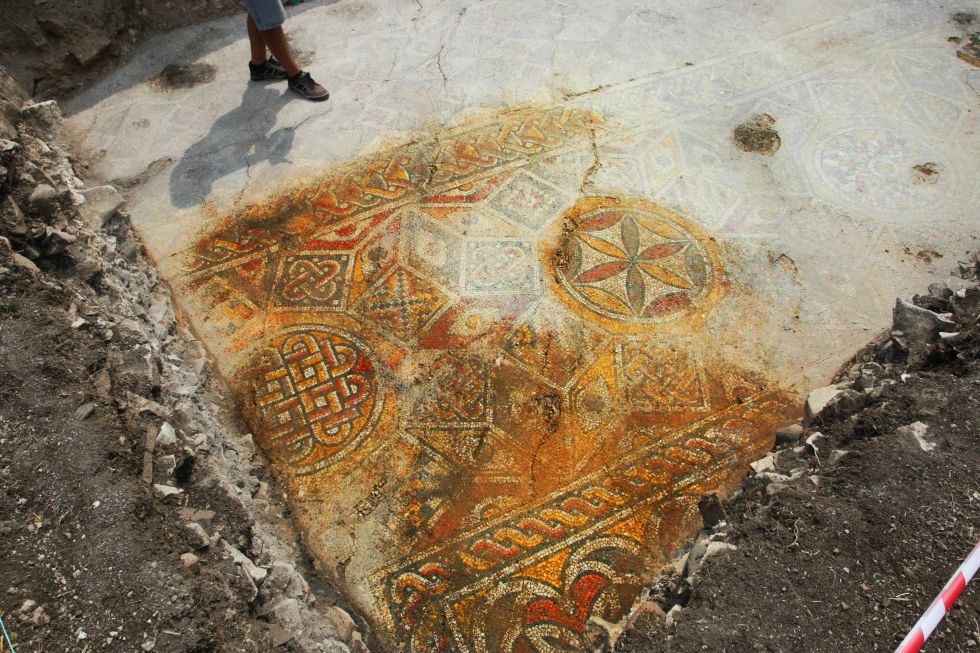
It was actually US funds that had brought attention back to the forgotten Dresnik since 2019. The co-financing memorandum to support the project “Preservation of the Archaeological Site of Dresnik” between the Embassy of the United States of America and the Ministry of Culture provided 150 thousand dollars (141 thousand and 849 euros) within the framework of the Ambassador's Fund for Cultural Heritage. On the other hand, the Ministry of Culture had allocated 51 thousand and 830 euros.
The project, which began in September 2023, lasted until June 2025.
The first centuries AD site, located near Klina, was expropriated at the end of 2023, which paved the way for even more investment. Based on the steps taken so far, this space is expected to be one of the most attractive in terms of cultural heritage.
The Government's decision to expropriate was seen as extremely important for the archaeological site, which since 2016 has been included in the list of heritage under permanent protection with a perimeter of 16.72 hectares. The protected area is considered to be 64 hectares. However, the nationalization covers a little more than ten percent of this area. The expropriation was assessed as the main investment in the site by the archaeologist leading the works, Elvis Shala.
The expropriation in Dresnik, which extended to private property, has been a topic since the unique mosaic came to light in 2013, when the work was led by the now-retired archaeologist, Masar Valla.
The archaeological site of Dresnik, about 1.5 kilometers east of the city of Klina, is considered by the Kosovo Council for Cultural Heritage as one of the most important archaeological sites not only in Kosovo, but also in the region. During the excavations of 2012-2015, several architectural monuments were identified, of which the large Aula stands out.