


-
By:
The Guardian

-
Translated by: Edona Binaku

- July 23, 2024 20:38
- Share to:
After grabbing the 17th century silver coin, Ilê Sartuzi placed the original artifact in the donation box at the museum. He considers this act as a work of conceptual art which he calls "Sleight of Hand"
The Brazilian artist has made an unexpected move, taking a historic coin from the display case at the British Museum, which he then placed in a donation box in the museum's lobby. All this was part of an artistic project and the event happened less than a year after it was learned that hundreds of exhibits have disappeared from the Museum.
Last month, conceptual artist Ilê Sartuzi swapped an English Civil War-era coin for a fake one as part of a project highlighting the large number of foreign objects held by the British Museum. He stated that the idea to do this act came to him when he saw a Museum volunteer handing coins to visitors to observe. Sartuzi had asked for the 17th century silver coin because "it is one of the few British exhibits in this museum", and skillfully exchanged it for a fake coin. He then placed the original historical coin in the donation box at the exit of the building.
Sartuzi filmed this entire scene, which he later narrated through a video created for his master's degree at "Goldsmiths" University in London. He said he planned the theft for more than a year.
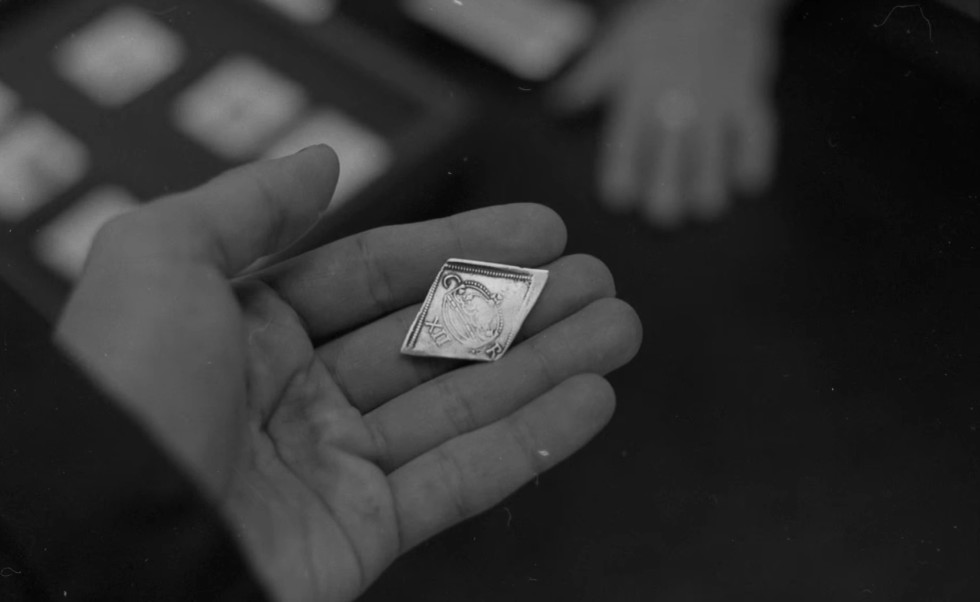
The video, shot by three friends of the artist, reveals the moment he was caught by a volunteer Museum guide before committing the theft again the next day, Art newspaper reported.
Sartuzi claimed to have shaved his beard to avoid identification by Museum security and was able to exchange the coins with the help of a snap action.
also Robbery at another museum in France
The leaders of the British Museum have announced that they will inform the police about the incident.
"This is a disappointing act that abuses the volunteer-run service, which aims to offer visitors the opportunity to touch real objects and engage with history," said a spokesman for the Museum. "Services like this rely on a basic level of human decency and trust and it would be a shame to have the provision of these services reviewed because of such actions."
According to Sartuz, art institutions such as the British Museum and the Louvre in Paris consider themselves to be the possessors of humanity's treasures.
"The problem is that these institutions are the basis of the imperialist cultures that looted many of these exhibits from the South and other countries of the world."
The coin in question is from 1645 and was minted in Newark, England. The exhibit is not registered in the Museum's database, but is part of the collection created in 2000 of historical objects that are offered to visitors to touch, under the supervision of volunteers.
The Brazilian artist and his lawyer claim that this action, however improper, does not violate the Museum's policies prohibiting the handling of objects or their removal from Museum premises, nor does it fall under the Theft Act of 1968.
 French museums face criminal surge
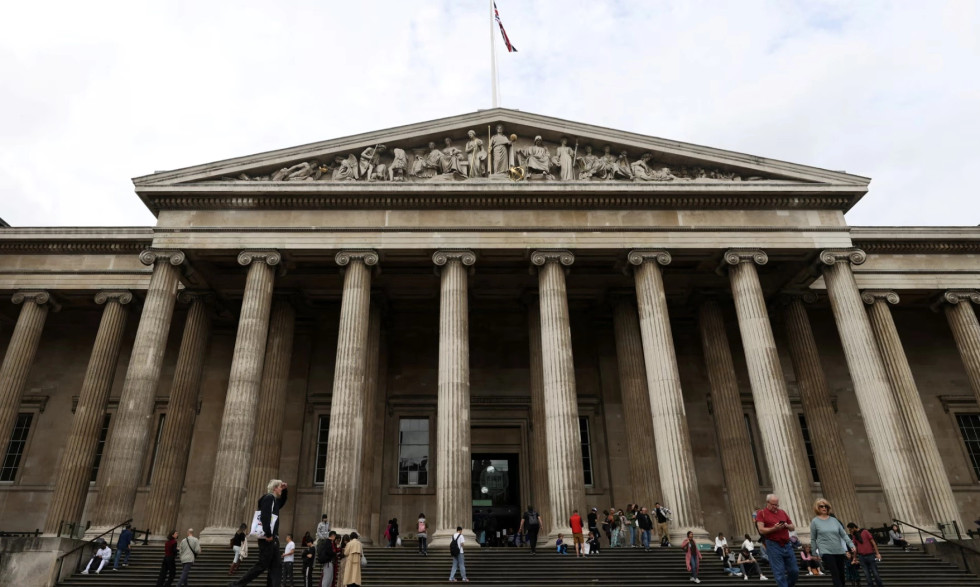
The incident came to light almost a year after the theft of hundreds of exhibits, including coins and jewelry from the British Museum's collection, led to the resignation of its director, Hartwig Fischer, who was in no way involved in the theft. . Museum leaders also fired an employee and ordered security measures to be beefed up.
Sartuzi said that the scandal was a "coincidence". He claims that the British Museum was "a fundamental part of the colonial, imperialist system" and noted that the coin he exchanged was the only one of British origin on display at the time.
The British Museum has been under investigation for how it has appropriated some of the artefacts it exhibits, while several countries have demanded that the exhibits be returned to them. These include several marble and bronze sculptures of the Parthenon, looted by British troops in 1897 from the former West African kingdom of Benin.


